Pink Roses Flower Pot Embroidery Design
First Impressions: Graceful, Grounded, and Ready for Real Life
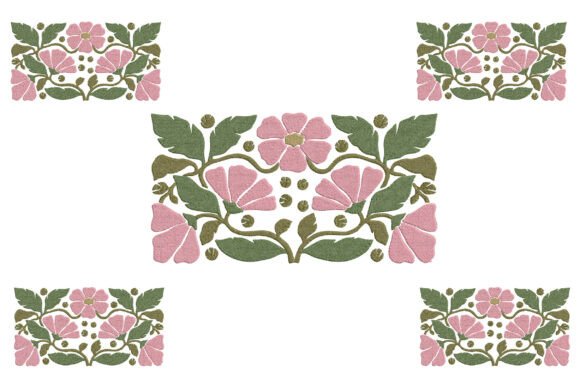
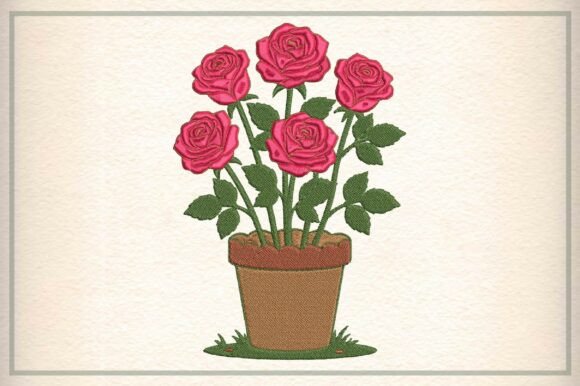
When I opened the Pink Roses Flower Pot Embroidery Design, my first thought wasn’t “pretty”—it was “usable.” That’s rare. So many floral machine embroidery designs lean into fussy detail or overly symmetrical rigidity, but this one breathes. The roses bloom with gentle asymmetry, the planter sits with quiet weight, and the green leaves curl just enough to suggest movement—not stiffness. It feels like a hand-drawn sketch translated thoughtfully into stitch, not an over-digitized stock image. As a designer who regularly selects embroidery files for client projects and small-batch merchandise, that balance of elegance and approachability is gold.
A Real Project Test: Custom Embroidered Tote Bags for a Local Botanical Shop
Last month, I used the Pink Roses Flower Pot Embroidery Design on a set of heavyweight cotton canvas totes for a neighborhood plant shop. We placed it centered on the front panel—just above the seam—using a 5” hoop. The result? Instant warmth. Customers didn’t just notice the stitching; they paused. They commented on the “realness” of the petals, the way the leaves layered naturally over the pot’s rim, and how the whole composition felt intentional—not decorative filler. That’s the difference between a generic floral and a design that earns its place on a handmade product. It elevated the tote from “nice gift bag” to “thoughtful botanical keepsake.”
Where This Design Truly Shines
- Custom apparel: Works beautifully on crewneck sweatshirts (left chest or back yoke) and relaxed-fit tees—especially when paired with soft, muted thread colors like dusty rose, sage, and warm taupe.
- Home & kitchen textiles: A standout on linen tea towels, cotton pillow covers, and lightweight aprons. The planter shape anchors well on vertical surfaces without pulling or distorting.
- Baby and nursery items: Gentle enough for onesies and burp cloths—but only if stitched with ultra-soft threads and minimal density. Avoid dense fill stitches near seams where fabric folds tightly.
- Embroidered patches: Clean outer edges and moderate detail make it ideal for iron-on or sew-on patches. Holds up well in wash testing when backed with lightweight fusible web + tear-away stabilizer.
- Etsy listings & boutique branding: Its cohesive, garden-inspired mood fits seamlessly into Floral Garden-themed collections—think curated bundles with lavender sprigs, vintage watering cans, or botanical monograms.
Use With Care: Practical Limits You’ll Want to Know
This isn’t a one-size-fits-all embroidery file—and that’s a strength, not a flaw. The Pink Roses Flower Pot Embroidery Design has presence, so it needs thoughtful placement:
- Avoid tiny hoops: Below 4”, petal definition blurs. Those delicate outer rose edges need breathing room—test at 4.5” minimum before committing to caps or kids’ hats.
- Watch textured or stretchy fabrics: On terry cloth towels or ribbed knit baby blankets, use cut-away + topping stabilizer. The flower pot base can sink into pile or shift on stretch—stitch density matters more here than on smooth cotton.
- Dark fabric? Adjust thread contrast: Light pink thread fades on navy or charcoal unless you boost saturation or add a subtle white outline stitch. Always preview in grayscale mockups first.
- No curved surfaces without digitizing tweaks: Don’t drop it straight onto a curved cap front. The planter’s horizontal base will distort. Reposition or scale slightly narrower—or choose a different angle for the hoop.
- Wash durability note: Satin-stitched petals hold up well, but avoid heavy fill stitches in tight corners (like where stem meets pot rim) on items meant for frequent laundering—those areas can snag or fray over time.
What This Design Says About Your Work—Without a Word
Your customers don’t read your process notes—but they feel your choices. When you use the Pink Roses Flower Pot Embroidery Design, you’re signaling attention to balance, restraint, and natural rhythm. It doesn’t shout. It invites. That builds trust—especially for personalized gifts, wedding favors, or boutique merchandise where emotional resonance matters as much as craftsmanship. For Etsy sellers and craft fair vendors, it helps your finished product stand out in a scroll of busy, high-contrast designs. And for commercial embroidery shops? It’s a reliable repeatable asset—timeless enough for seasonal rotations, flexible enough for custom color swaps.
Designer Notes Before You Stitch
- Always run a test on scrap fabric matching your final project’s weight and weave.
- Check stitch density—if it feels heavy for your fabric, reduce fill stitch % or swap satin for a lighter fill pattern.
- Confirm hoop size compatibility with your machine and intended placement (e.g., sleeve vs. center front).
- Inspect small details: Are petal tips sharp? Do leaf veins read clearly? Zoom in on your embroidery software preview.
- Test black-and-white and light/dark background mockups—some floral designs lose legibility without tonal contrast.
- Match stabilizer to fabric: Cut-away for knits, tear-away for stable wovens, topping for napped surfaces.
- Verify licensing terms before selling finished items or bundling the digital embroidery file—it’s essential for craft business compliance.
Final Thought: A Design That Grows With You
The Pink Roses Flower Pot Embroidery Design isn’t just another floral—it’s a quiet collaborator. It adapts to sweatshirt texture, lifts a simple tea towel, adds tenderness to a baby blanket, and gives boutique merchandise a grounded, garden-fresh voice. It won’t solve every embroidery challenge, but it solves the right ones: clarity without coldness, beauty without busyness, and timeless appeal without trend fatigue. Whether you're prepping for a holiday batch, launching a new line, or choosing your next Etsy bestseller—this is the kind of embroidery file that earns repeat use, not just one-time stitching.