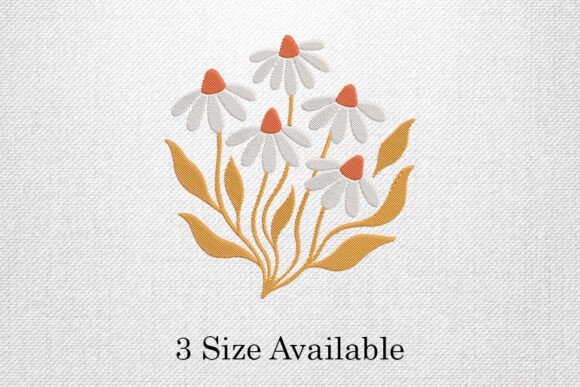
Rustic Daisy Bloom Embroidery Design
First Impression: Warm, Inviting, and Quietly Confident
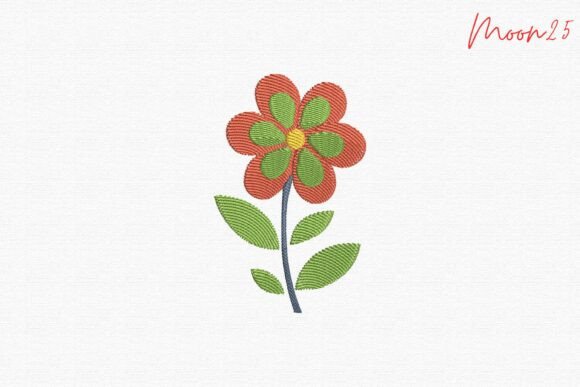
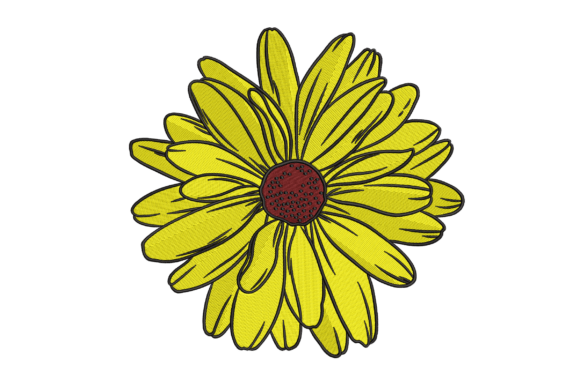
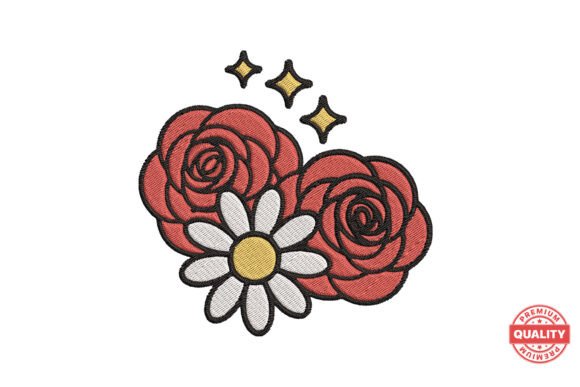
As an embroidery designer who’s prepped over 200 craft fair booths—and watched which designs stop foot traffic dead in its tracks—I took one look at the Rustic Daisy Bloom Embroidery Design and felt immediate resonance. It doesn’t shout. It breathes. Soft white daisies with warm orange centers and golden leaves land squarely in the rustic-elegant sweet spot—neither overly farmhouse nor stiffly formal. It feels like sunlight through linen curtains: natural, grounded, and quietly premium. For handmade market sellers, that balance is gold. Customers scanning a crowded booth don’t pause for “cute” or “busy”—they pause for feeling. This design delivers calm warmth, making it ideal for small shop products that aim to stand out through sincerity, not saturation.
Where It Shines: Craft Fair-Ready Product Pairings
The Rustic Daisy Bloom Embroidery Design isn’t a one-size-fits-all motif—it’s a mood enhancer with clear strengths across categories:
- Tote bag design: Perfect as a centered chest placement (not too large, not too small). The daisies read clearly from 6 feet away, and the golden leaves add subtle movement without visual clutter.
- Apron embroidery: Ideal above the pocket or along the waistband. Its organic shape complements curved seams, and the soft white threads pop beautifully against natural cotton or oatmeal linen.
- Tea towel embroidery: Works exceptionally well in the lower corner or along the hem. The design’s gentle scale avoids overwhelming kitchen textiles—especially important on textured terry or waffle weave fabric.
- Embroidered patch: Translates cleanly into a 3–4" round or oval patch. Great for layering on denim jackets or attaching to market bags—adds handmade charm without requiring full garment embroidery.
- Pillow cover & pouch embroidery: Holds clarity even at 2.5–3" width. The daisy’s open center and leaf flow prevent stitch density buildup, reducing puckering risk on lightweight fabrics.
It’s less effective on curved cap surfaces (where petal edges may distort) or dense dark fabrics unless thread contrast is carefully tested. And while charming on printable mockups, it truly earns its keep in person—its warmth reads better under craft fair lighting than on-screen.
Production Realities: What Makes This Design Booth-Strong
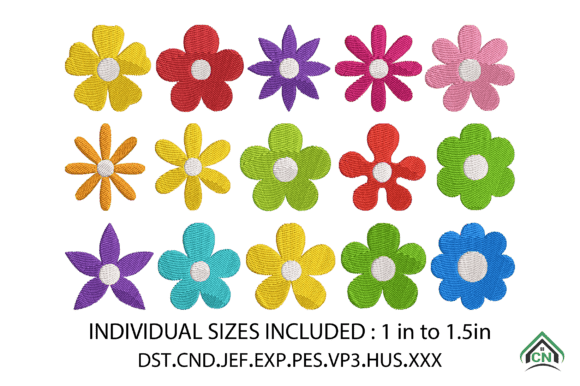
From a production standpoint, the Rustic Daisy Bloom Embroidery Design is refreshingly practical for batch work. It’s instantly legible at a glance—no squinting required—so team members or volunteers can quickly identify placement and orientation. As a single flower plants design, it scales gracefully: use it small (1.75") as a delicate accent on gift tags or sachets, or enlarge to 4.5" for a bold statement on market bags. Its moderate stitch density avoids excessive thread breaks or stabilizer dependency—critical when embroidering 30+ tea towels before sunrise on fair day.
That said, careful-use notes apply: the orange daisy centers are small but critical to the design’s character—test them on your target fabric to ensure they don’t blur on thick canvas or fuzzy terry. Also verify spacing between petals and leaves; tight gaps may close up on high-pile fabrics or with aggressive hooping. Always run a test on scrap fabric using your exact thread colors and stabilizer combo—golden leaf tones shift dramatically on cream vs. charcoal linens.
Visual Impact & Buyer Engagement: Why It Converts
In a sea of geometric prints and trendy typography, the Rustic Daisy Bloom Embroidery Design stands out by offering emotional contrast. It signals care, slowness, and intention—qualities buyers actively seek in handmade product. At craft fairs, I’ve watched customers linger longer at displays featuring this kind of botanical simplicity. They touch the texture, tilt their heads, and ask, “Is this all hand-stitched?” even when it’s machine embroidered—proof that the design conveys handmade quality.
For Etsy sellers and boutique makers, it strengthens brand consistency: pair it across your line (tote + apron + tea towel) and customers begin recognizing your aesthetic—not just your logo. And because it’s neither seasonal nor gendered, it supports year-round listings and repeat purchases. No need to rotate inventory every quarter. Just refresh fabric colors and watch it adapt.
Designer-to-Designer Checklist Before You Cut Thread
Before turning the Rustic Daisy Bloom Embroidery Design into finished product, do these six things:
- Test the design on scrap fabric matching your final product’s weight and texture—especially for tea towel embroidery or apron embroidery.
- Check thread contrast: soft white daisies need clean separation from background; warm orange centers must remain distinct on off-white or ecru.
- Review spacing and petal clearance—confirm no elements collapse on your target hoop size.
- Use the right stabilizer: medium-weight cutaway for structured items (totes, caps), tear-away for lightweight linens (pillow covers, pouches).
- Create at least one real mockup—not just a digital preview—to assess how light plays across the golden leaves and white petals in person.
- Confirm commercial licensing applies to your intended use. As a digital embroidery file, its value multiplies only if you’re cleared to sell finished product.
This isn’t just another embroidery file. It’s a quiet confidence-builder—for your booth, your brand, and your buyer’s cart. When paired thoughtfully with the right craft fair product, the Rustic Daisy Bloom Embroidery Design doesn’t just decorate—it connects. And in handmade markets, connection is what turns browsers into loyal customers.