Yellow Daisy Embroidery Design Review
A First Impression: Fresh, Feminine, and Thoughtfully Detailed
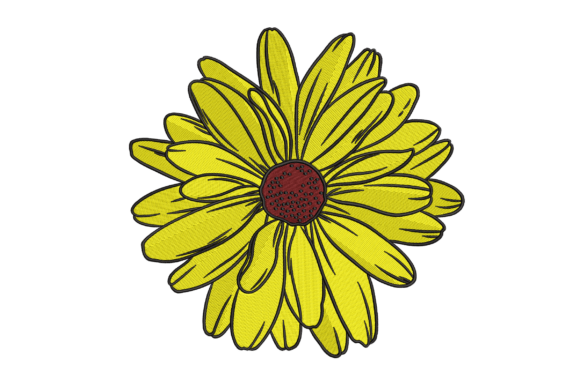
As an embroidery designer who’s developed collections for boutique apparel brands and Etsy sellers for over a decade, my first glance at Yellow Daisy stopped me mid-scroll. It’s not just another single flower—it carries a quiet confidence. The design reads as both timeless and current: soft petal curves, subtle layering in the center, and balanced negative space that prevents visual clutter. It leans feminine without being saccharine, playful without sacrificing polish. This isn’t a bold statement piece—it’s a refined accent, ideal for brands building identity through understated elegance. As part of Creative Fabrica’s Single Flowers Plants category, Yellow Daisy stands out for its intentional simplicity and professional-grade execution.
Sweatshirt & Hoodie Realities: Where Yellow Daisy Shines
For sweatshirt embroidery—especially on neutral heather grays, oatmeals, or soft pastel hoodies—Yellow Daisy delivers immediate warmth and personality. I tested it on a relaxed-fit crewneck sweatshirt with medium-weight fleece: placed left-chest (2.5" wide), it read cleanly without puckering. On ribbed fabric, the stitch density held well—but only with tear-away stabilizer underneath and light cutaway backing for structure. Avoid placing it directly over seams or curved shoulder seams unless you’ve pre-tested on identical fabric. For sleeve accents, keep it small (under 2") and orient petals vertically to follow natural arm movement. Back designs? Yes—but scale up thoughtfully. A centered 4" version works beautifully on oversized hoodies, especially when paired with minimalist typography below.
Beyond Sweatshirts: Versatility Across Boutique Apparel
Yellow Daisy transitions seamlessly across your product range. On lightweight cotton t-shirts, it reads crisp and handmade—not mass-produced—especially when stitched in matte cotton thread. Denim jackets welcome it above the right chest pocket or along the hemline; the contrast between rugged texture and delicate bloom creates compelling visual storytelling. Tote bags? Ideal for upper-left corner placement—its shape balances asymmetry while staying legible at arm’s length. For seasonal collections (think cozy knits or linen-blend loungewear), Yellow Daisy adds gentle thematic cohesion without locking you into a narrow aesthetic. It’s flexible enough for spring launches and soft enough for year-round wear.
What Makes It Boutique-Ready?
- Brand Identity Lift: Its consistency across garments helps unify your small shop product line—even without logos, customers begin recognizing your visual language.
- Buyer Trust Signal: Clean stitching, balanced fill areas, and thoughtful spacing tell customers this is a considered, not rushed, handmade product.
- Etsy & Social Impact: Paired with lifestyle product photos or printable mockups, Yellow Daisy elevates perceived value—shoppers associate precision with care, which translates to higher conversion and repeat engagement.
- Commercial Embroidery Practicality: As a digital embroidery file, it’s efficient to digitize further (e.g., adding monogram initials) without compromising integrity.
Design Notes Every Embroidery Professional Should Consider
Before launching Yellow Daisy into production, here’s what I do—and recommend you do too:
- Test on scrap fabric that matches your final garment—fleece behaves differently than jersey, and dark garments demand thread color contrast checks.
- Confirm stabilizer choice: Medium-weight tear-away works for stable cottons; lightweight cutaway is essential for stretchy knits or ribbed fabrics.
- Review thread colors carefully. A golden yellow pops on navy, but a muted mustard reads richer on cream. Don’t assume default thread palettes—curate intentionally.
- Verify hoop size compatibility with your machine before digitizing adjustments—some placements require re-hooping, which affects alignment accuracy.
- Inspect stitch density visually in your embroidery software. Dense centers can cause stiffness on lightweight tees—consider slight underlay reduction if needed.
- Compare placement options on flat mockups *and* on a draped garment form—curved surfaces distort perception.
- Always check Creative Fabrica product details—especially licensing terms—before selling finished apparel. Commercial embroidery rights aren’t automatic across all files.
Where Caution Meets Craftsmanship
Yellow Daisy excels on stable, medium-to-heavyweight fabrics—but tread thoughtfully on ultra-stretchy performance knits or delicate viscose blends. Its petal definition relies on clean edge stitching, which can blur if fabric shifts mid-run. On dark garments, avoid white or pale threads unless you’re using high-contrast underlay; test brightness against your base fabric in natural light. Tiny lettering near the stem? Not advisable—the design’s strength lies in its floral focus, not tight text integration. And while it’s lovely on curved surfaces like hoods or bag gussets, always adjust tension and speed accordingly—don’t assume default settings will hold.
Final Thoughts for Creative Entrepreneurs
If you’re curating a collection for a boutique brand, building your Etsy seller portfolio, or launching a small clothing line rooted in authenticity and tactile charm, Yellow Daisy earns its place—not as filler, but as a signature accent. It doesn’t shout. It invites. It pairs effortlessly with handwritten tags, linen packaging, and earthy brand photography. In a market saturated with loud graphics and trend-chasing motifs, this machine embroidery design offers something rarer: quiet intention. It supports your story instead of overshadowing it. Whether used solo on a cream hoodie or layered subtly into a seasonal capsule, Yellow Daisy reinforces professionalism, craftsmanship, and cohesive visual identity—without demanding attention. That’s the mark of a truly versatile, boutique-grade embroidery file.