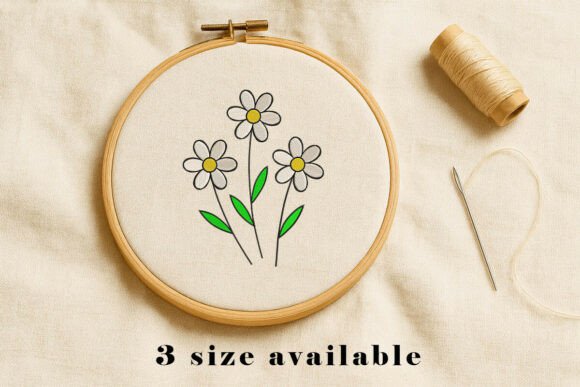
Simple Daisy Flower Embroidery File
A Craft Fair Designer’s First Look: Cheerful, Minimal, and Instantly Recognizable
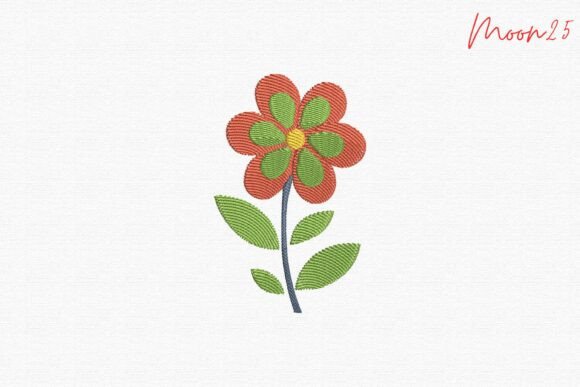
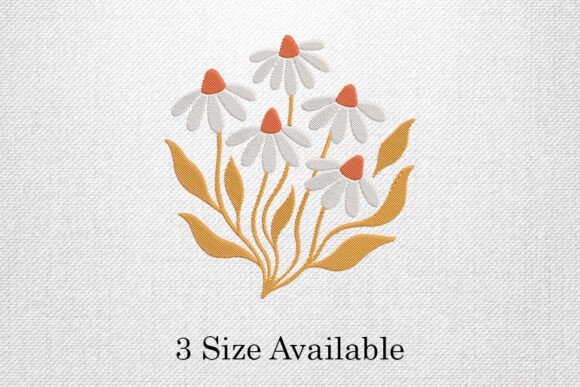
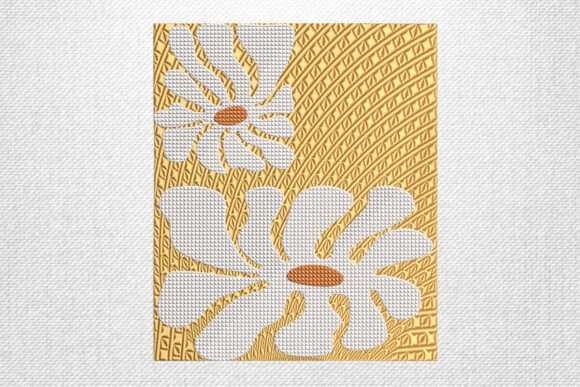
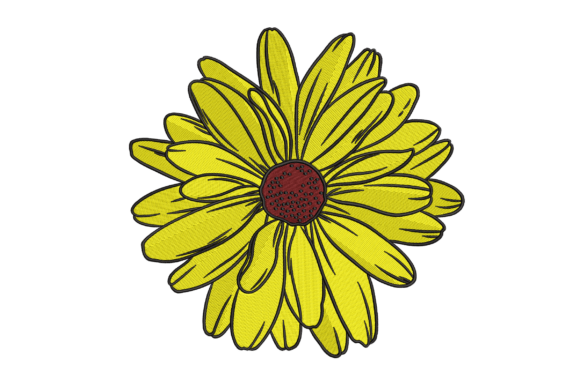
As someone who’s stitched hundreds of designs for weekend craft fairs and handmade markets, my first impression of the Simple Daisy Flower Embroidery File is immediate and positive: it reads as cheerful, timeless, and minimal—not fussy, not trendy, but quietly confident. That “delicate daisies with bright yellow centers and green leaves” description tells me this isn’t a botanical illustration or a maximalist bouquet—it’s a single-flower statement with breathing room. It lands somewhere between modern farmhouse and soft contemporary, making it equally at home on a linen tea towel or a structured cotton tote. For booth buyers scanning tables in under three seconds, that clarity is gold.
Where This Design Shines On Real Craft Fair Products
The Simple Daisy Flower Embroidery File excels where simplicity meets impact—and that’s exactly what sells at handmade markets. Here’s how it performs across key categories:
- Tote bag design: Perfect as a small left-chest accent or centered low on the front panel. Its clean silhouette reads clearly even from six feet away—and doesn’t compete with bold prints or natural fabric textures.
- Apron embroidery: Ideal above the pocket or along the waistband. The daisy’s upward-facing center gives subtle visual lift, reinforcing the apron’s functional elegance.
- Tea towel embroidery: Works beautifully in the corner or centered near the hem. On textured terry or waffle weave, the minimal stitch count avoids bulk while keeping definition.
- Embroidered patch: Highly adaptable—great for iron-on or sew-on versions. Its open layout prevents fraying at edges and holds up well through washing.
- Fabric pouches & pillow covers: Scales elegantly. As a single motif, it anchors without overwhelming smaller surfaces, especially on solid-color linens or canvas.
- Caps & curved surfaces: Proceed with caution—this design’s gentle curves and balanced spacing translate well to front panels, but avoid placing it too close to seams or brims where distortion can blur petal definition.
What Makes It a Smart Choice for Etsy Sellers and Small Shop Owners
This embroidery file checks multiple boxes for digital sellers and boutique makers. It’s inherently repeatable: you can produce consistent batches without redesigning placement or adjusting tension mid-run. It photographs cleanly for printable mockups and Etsy listings—no busy background needed, no retouching required. Because it’s rooted in the Single Flowers Plants category, it pairs seamlessly with seasonal bundles (think “Spring Botanical Set” or “Minimal Floral Collection”), helping you cross-sell design assets and finished product lines.
Most importantly, it elevates perceived value without raising production cost. A plain cotton market bag becomes a handmade product the moment this daisy lands on it—not because it’s flashy, but because it signals care, intention, and quiet craftsmanship.
Practical Production Notes Every Embroidery Designer Should Check
Before cutting your first stabilizer sheet, run these checks:
- Test on scrap fabric matching your intended product—especially if using textured towels or thick denim. Daisies rely on petal separation; heavy texture can mute contrast between yellow centers and white petals.
- Confirm thread colors deliver enough pop: pale yellow may disappear on cream fabric, and mint greens can gray out on charcoal. Always swatch.
- Review spacing and stitch density. Though labeled “simple,” tight petal groupings could create dense zones—check for puckering risk on lightweight fabrics.
- Verify hoop size compatibility. This design likely fits standard 4x4 hoops, but confirm before digitizing alternate sizes for larger tote placements.
- Choose stabilizer wisely. Tear-away works for stable weaves; cut-away adds durability for items like aprons or pouches that undergo frequent laundering.
- Create at least one real mockup—not just a digital preview. Hold it beside similar products in natural light. Does it stand out? Does it feel handmade, not mass-produced?
- Compare fabric colors side-by-side. A daisy on oatmeal linen reads differently than on indigo-dyed cotton—subtle shifts affect mood and market positioning.
- Confirm commercial licensing before selling finished goods. As a digital embroidery file, its usage rights directly impact your ability to offer embroidered patches or branded tote bags as a craft fair product.
Why It Strengthens Your Booth—and Your Brand
In a sea of hand-painted signs and glitter-trimmed banners, the Simple Daisy Flower Embroidery File stands out by *not* shouting. It draws attention through calm confidence—like a well-placed herb bundle at a farmers’ market. When repeated across your table (on a pillow cover, a tea towel, and a patch set), it builds subtle brand consistency without looking templated. Customers subconsciously register cohesion, which builds trust in your curation and skill.
It also invites engagement: “Is that hand-stitched?” “Do you make those daisies in other colors?” “Can I get one on my tote today?” That quiet charm sparks conversation—the kind that turns browsers into buyers and buyers into repeat customers.
Closing Thought: Less Is Truly More—When It’s Well Designed
The Simple Daisy Flower Embroidery File isn’t just another machine embroidery design. It’s a thoughtful, commercially viable tool for creative entrepreneurs who understand that handmade appeal lives in restraint, repetition, and resonance. It won’t overwhelm your display. It won’t confuse your customer. And it won’t slow down your batch production—if you’ve done your prep.
For embroidery business owners, Cricut and embroidery crafters, and digital sellers building a signature aesthetic, this Embroidery file earns its place in your core collection—not as filler, but as foundation.